- Stop, check for injuries and call 911 if anyone is hurt.
- Exchange license, vehicle, owner and insurance details, and photograph the scene.
- Report injury crashes to police within 24 hours and file an SR 1 with the DMV within 10 days when required.
- Most injury lawsuits must be filed within two years, and public agency claims within six months.
A car accident turns an ordinary drive into a confusing scene in a matter of seconds. Even a minor crash leaves people shaken, and it is easy to forget something that matters later, like a witness name or a photo of the other car.
This checklist walks through what to do at the scene, in the days that follow and before you talk to any insurance company, with the California code sections behind the legal rules. It is general information, not legal advice for your situation.
Step 1: Make the scene safe and get help
- Check yourself and your passengers for injuries, and call 911 if anyone is hurt.
- If the cars can be moved and it is safe, move them out of traffic and turn on your hazard lights.
- Stay at the scene until you have exchanged information, and if police come, give them your information too.
Leaving is not just a bad idea. Even when no one is hurt, a driver in a crash must stop at the nearest spot that does not block traffic and exchange information, or leave a note on an unattended car, and moving your car out of traffic does not affect the question of fault (Vehicle Code section 20002). When a crash injures someone, every driver involved must stop immediately (Vehicle Code section 20001), give their information and provide reasonable help to anyone injured, including arranging a ride to a doctor or hospital when treatment is clearly needed or the injured person asks for it (Vehicle Code section 20003).
Step 2: Exchange the right information
California law spells out what drivers must exchange at the scene. Unless they are unable to, every driver involved must share, with the other drivers and any property owner present, their name and current address, driver's license number, vehicle identification number, the registered owner's current address and proof of insurance, including the insurance company's name and address and the policy number (Vehicle Code section 16025).
If anyone was injured, drivers must also give the vehicle's registration number and the owner's name and address, and show their driver's license if asked (Vehicle Code section 20003). A simple way to get it all right is to photograph the other driver's license, insurance card and license plate, and write down the names of any passengers.
Step 3: Photograph everything before it moves
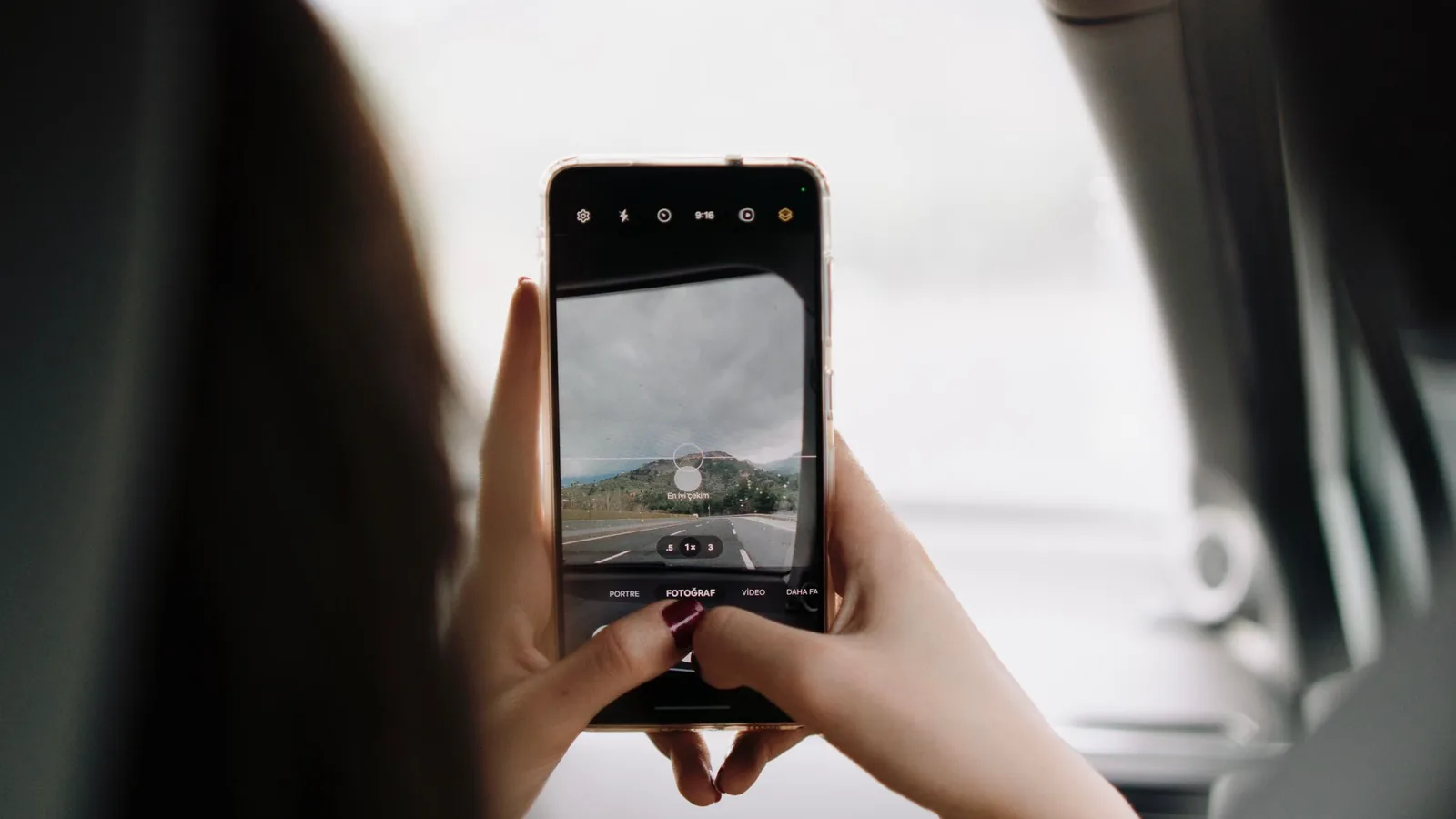
The scene changes quickly once tow trucks arrive and traffic starts moving again. If you are able to do it safely, take photos and video of:
- All the vehicles, from several angles, including the damage and the license plates
- The road, traffic signals, stop signs, skid marks and any debris
- Weather, lighting and anything that blocked a driver's view
- Any visible injuries, once you are safe
Ask witnesses for their names and phone numbers, since many people leave before police arrive. Look around for businesses or homes with cameras, and write down where they are. Video is often recorded over within days.
Step 4: Get checked by a doctor
Get medical care right away if you are hurt, and see a doctor soon after the crash even if you feel fine. Some injuries do not cause symptoms until hours or days later. A prompt visit protects your health, and it creates a record that connects your injuries to the accident.
Tell the doctor exactly how the crash happened and every place that hurts. Follow the treatment plan, keep your appointments and save every bill and receipt. Gaps in treatment are often used by insurance companies to argue that an injury was minor.
Step 5: Report the crash on time
There are two separate reporting rules in California, and drivers often miss the second one:
- Police report within 24 hours. If anyone was injured or killed, the driver must make a written report within 24 hours to the California Highway Patrol or, if the crash happened inside a city, to either the CHP or that city's police department (Vehicle Code section 20008). If police came to the scene, ask for the report number.
- DMV report within 10 days. You must file an SR 1 report with the DMV within 10 days if anyone was injured or killed, or if the property damage to any one person was more than $1,000, no matter who caused the crash. Your insurance agent, broker or lawyer can file it for you (Vehicle Code section 16000).
The DMV posts the SR 1 form with instructions. Also tell your own insurance company about the crash promptly, because most policies require timely notice.

Step 6: Be careful with insurance calls
The other driver's insurance company may call within a day or two. The adjuster may be friendly, but their job is to protect their company. You can take their name and claim number and call back later.
- Stick to the facts, and do not guess about speed, distances or timing.
- Do not say you are fine or that you are not hurt. You may not know yet.
- Think twice before giving a recorded statement to the other driver's insurer or signing a broad medical authorization.
- Do not sign a release or accept a check until you understand your injuries. A signed release usually ends the claim for good.
Our guide on what an insurance adjuster does covers these calls in more detail.
California insurance rules worth knowing
- Minimum coverage went up. For policies issued or renewed on or after January 1, 2025, the minimum liability limits are $30,000 for injury to one person, $60,000 for injury to two or more people and $15,000 for property damage (Vehicle Code section 16056).
- Shared fault does not end a claim. California uses comparative fault. If you were partly responsible, your recovery can be reduced by your share of the fault, but it is not automatically eliminated.
- Uninsured motorist coverage. California auto policies must include uninsured motorist coverage for injuries unless the policyholder agreed in writing to remove it or lower it (Insurance Code section 11580.2). Damage to your car is usually a matter for collision coverage or other property damage coverage. Check your declarations page to see what you have.
- Driving uninsured has a cost. If you owned an uninsured car involved in the crash, or were driving without the insurance or other financial responsibility California requires, California law generally bars you from recovering non economic damages such as pain and suffering, with limited exceptions (Civil Code section 3333.4). Economic losses like medical bills and lost wages are not covered by that bar.
The California Department of Insurance has a plain English auto insurance guide that explains coverage types and how to file a complaint about an insurer.
Deadlines for a claim
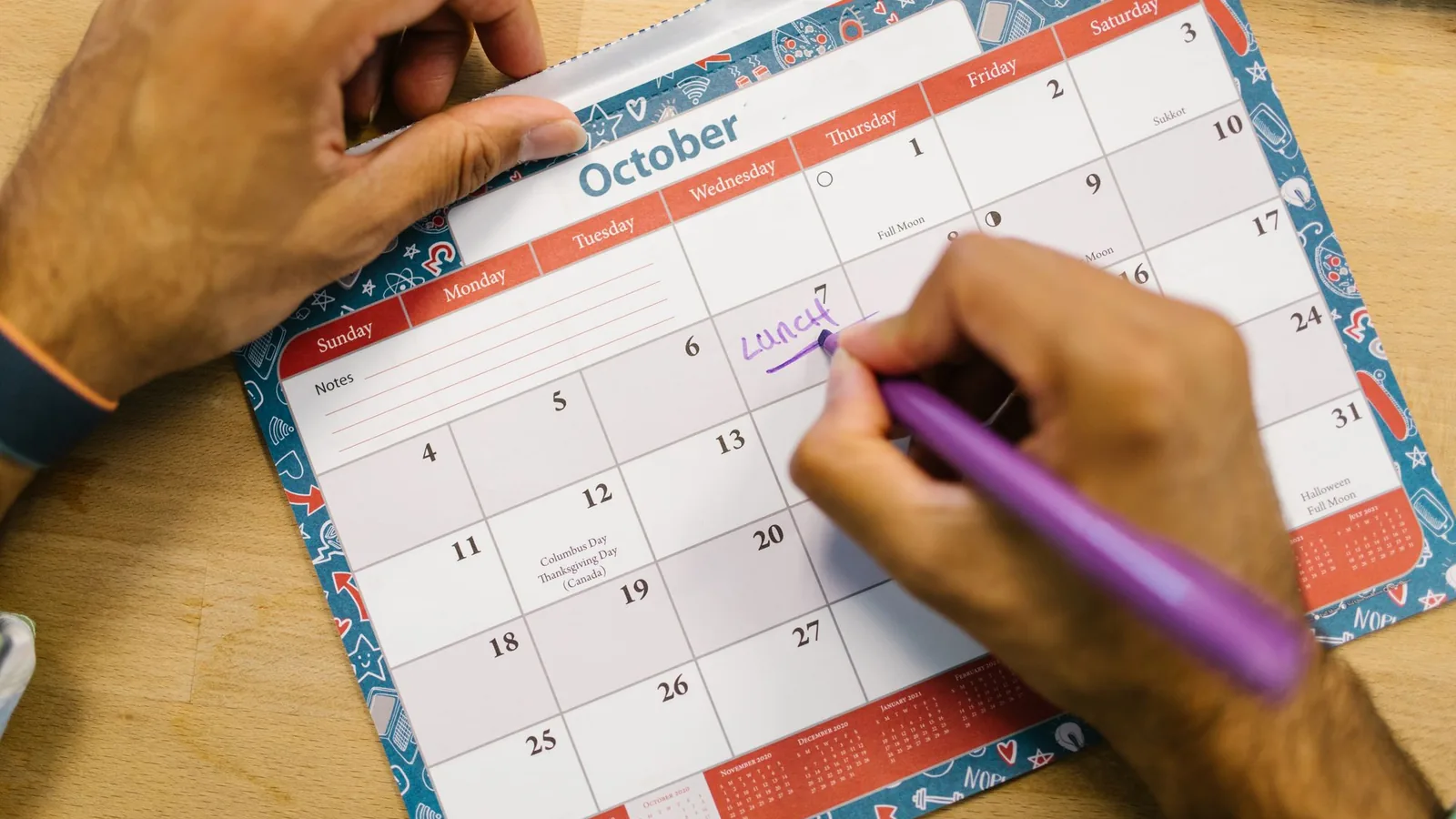
In California, most lawsuits for personal injury must be filed within two years of the injury (Code of Civil Procedure section 335.1). A lawsuit for damage to property, such as your car, generally has a three year deadline (Code of Civil Procedure section 338). If a city, county or other public agency is involved, for example a city vehicle or a dangerous road condition, a claim for injury or property damage usually must be presented to that agency within six months (Government Code section 911.2).
There are exceptions in both directions, so it is wise to get advice early, while evidence is still fresh. Our car accident page explains how a free, confidential case review works.