- Visible mold growth, as determined by a health or code enforcement officer, and damp rooms that endanger health are listed as substandard conditions.
- Minor mold on surfaces that normally get wet, like a shower, is excluded.
- Report mold in writing, document it and ask for the source of the moisture to be fixed.
- Your landlord cannot retaliate against you for complaining about conditions.
A musty smell, dark spots spreading on a bathroom ceiling, a closet that never quite dries out. Mold is one of the most common complaints renters have, and one of the most frustrating, because painting over it or wiping it away rarely fixes the real problem.
California law does not treat every speck of mildew as a legal issue, but serious mold can make a rental legally unfit to live in. Here is how the law draws that line and what you can do about it. This is general information, not legal advice for your situation.
When mold becomes a legal problem
California's housing law lists conditions that make a building substandard when they endanger the health or safety of the people living there. That list includes visible mold growth, as determined by a health officer or code enforcement officer, and dampness of habitable rooms (Health and Safety Code section 17920.3).
The same law carves out mold that is minor and found on surfaces that can collect moisture as part of their properly functioning and intended use. A little mildew in a shower that wipes away is usually not what the law has in mind. Mold spreading across a wall or ceiling, or returning again and again because of a leak, is a different story.
A home that is substandard under that law is also treated as untenantable under the Civil Code (Civil Code section 1941.1), which means the landlord has a legal duty to fix it.
Where mold usually comes from
Mold needs moisture to grow. The U.S. Environmental Protection Agency puts it simply: the key to mold control is moisture control, and water damaged areas should be dried within 24 to 48 hours to prevent mold growth (EPA guide to mold and moisture).
In apartments, that moisture usually comes from a roof or window leak, a plumbing leak inside a wall, a slow drip under a sink or poor ventilation. California law requires landlords to provide effective waterproofing of the roof and exterior walls, including unbroken windows and doors, and plumbing kept in good working order (Civil Code section 1941.1). That is why the real fix is usually repairing the source of the water, not just cleaning the surface.
Tenants have duties too. You are expected to keep your unit reasonably clean and to use plumbing and fixtures properly, and a landlord's repair duty may not apply to a problem the tenant substantially caused (Civil Code section 1941.2). Running the bathroom fan and reporting leaks right away help on both fronts.

Step 1: Document the mold
- Take dated photos and short videos of every affected area, close up and from across the room.
- Photograph the likely source, such as a stained ceiling, a wet wall or a dripping pipe.
- Keep a simple log of when you first noticed it, when it spreads and any musty smell.
- Save any damaged belongings, or at least photograph them before you throw them away.
- If anyone in the home develops symptoms, see a doctor and keep the records.
Step 2: Tell your landlord in writing
Report the mold in writing, by email, text or letter, and keep a copy. Describe what you see, where it is, when it started and what you think is causing it. Ask the landlord to repair the source of the moisture and to address the mold, and ask when the work will be done.
A written notice matters because California's repair rules run from the date the landlord was told about the problem (Civil Code section 1942). Oral notice counts too, but writing is your proof. If the landlord sends someone to paint over the mold without fixing the leak, say so in writing and keep taking photos.
Step 3: Call code enforcement if repairs stall
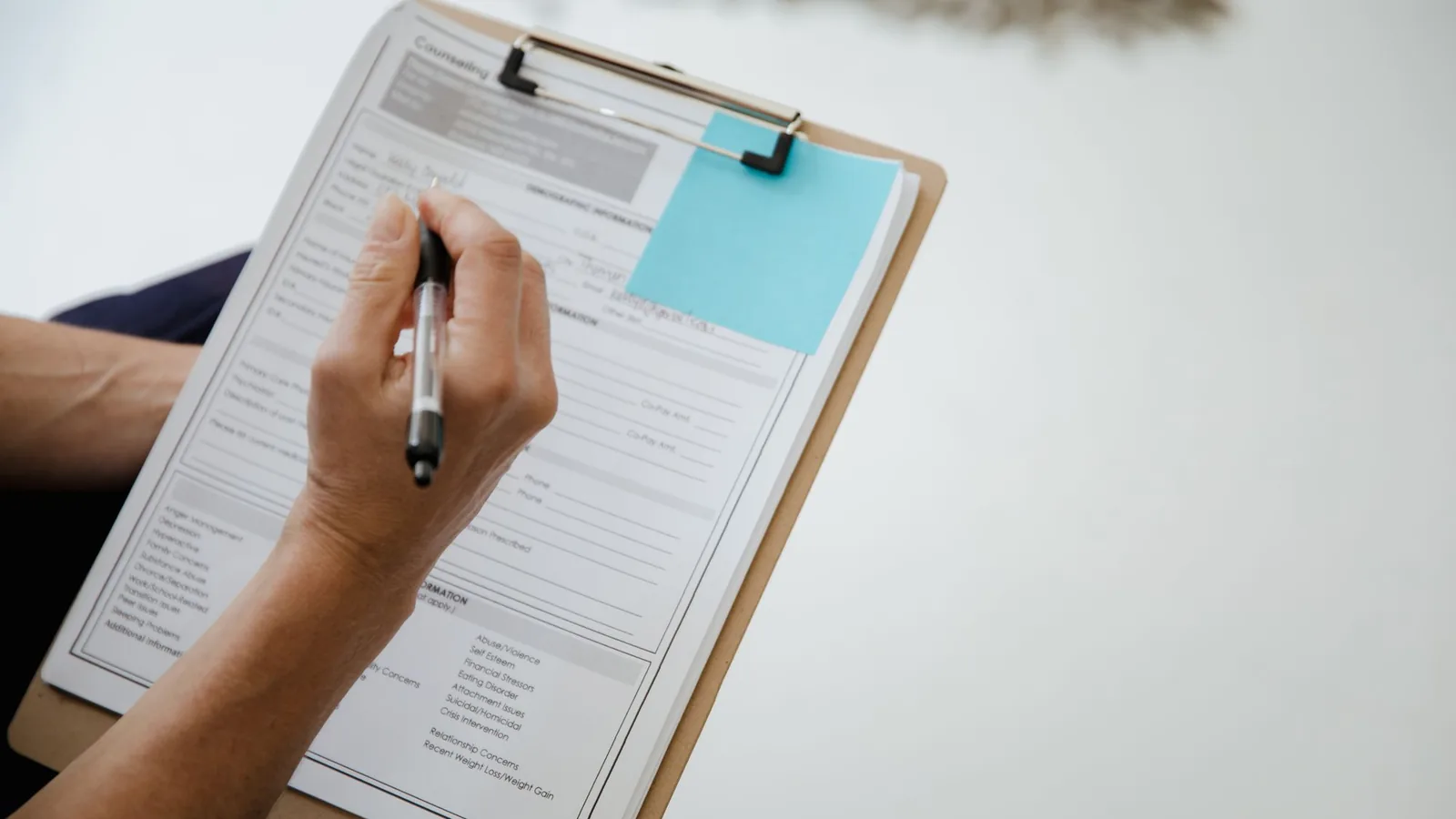
If the landlord does not act, a code inspection can make a real difference. In the City of Los Angeles, the Los Angeles Housing Department investigates complaints about unsafe living conditions and code violations at multifamily rental properties, and you can file a complaint online. If you rent a single family home in Los Angeles, or live outside the city, contact the local building and safety or code enforcement department.
An inspector's written notice also triggers an important rule. If a public officer inspects the unit and notifies the landlord in writing to repair substandard conditions, and the conditions are still not fixed 35 days after that notice was served without good cause, the landlord may not demand or collect rent or issue a rent increase notice until the problem is fixed, as long as the tenant did not cause it. A landlord who violates that rule can owe the tenant actual damages plus special damages of $100 to $5,000, and the winning side can recover attorney's fees (Civil Code section 1942.4). Talk to a lawyer before relying on this rule to stop paying rent.
Your landlord cannot punish you for complaining
Some tenants hesitate to report mold because they are worried about how the landlord will react. California law protects you. If you are current on your rent, a landlord may not raise your rent, cut your services or try to force you to move out within 180 days after you, in good faith, complain to the landlord about conditions or file a complaint with a code enforcement agency, when the landlord's purpose is retaliation (Civil Code section 1942.5). That 180 day protection can be used once in any 12 month period, and retaliating against a tenant for lawfully exercising legal rights is unlawful even outside that window.
Keep copies of every complaint and every response. If something changes soon after you complain, that timeline matters.
Options if the problem is not fixed
Tenants have more than one path, and each has risks, so it helps to get advice before acting:
- Repair and deduct. After reasonable notice, a tenant may pay for certain repairs and deduct the cost from rent, up to one month's rent and no more than twice in 12 months, and not for problems the tenant caused (Civil Code section 1942). Fixing a hidden leak can cost more than this remedy allows.
- A habitability claim. When a landlord fails to fix serious conditions, a tenant may have a claim for the harm it caused, which a lawyer can evaluate.
- Holding back rent on your own is risky. Stopping rent payments without advice can create a much bigger problem than the mold. Talk to a lawyer first.
Our uninhabitable living conditions page explains how a free, confidential case review works.