- Your landlord must keep your home livable, and a lease cannot waive that.
- Most rentals over 15 years old are under a statewide rent cap of 5 percent plus inflation, never more than 10 percent.
- Deposits are capped at one month of rent for most rentals and must be returned within 21 days.
- Only a court can evict you, and retaliation for asking for repairs is against the law.
Renting in California comes with real legal protections, and most of them apply whether you rent an apartment in Los Angeles, a guest house in Beverly Hills or a room in the Valley. The problem is that the rules are spread across the Civil Code, the Health and Safety Code and local ordinances, and most tenants only learn them after something goes wrong.
This guide puts the core rules in one place, in plain English, with the code section for each one so you can check it yourself. It is general information, not legal advice for your situation.
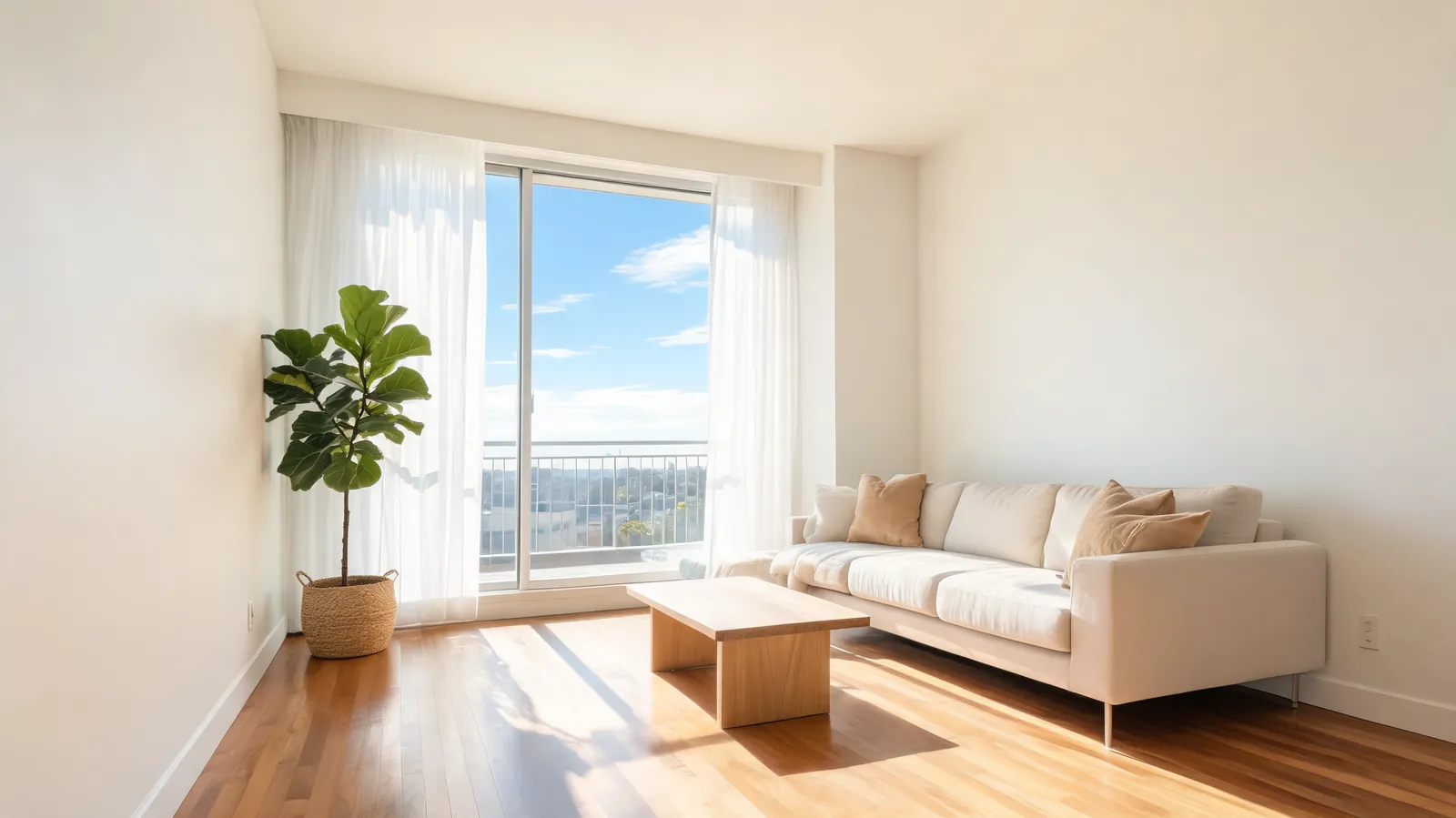
Your right to a safe, livable home
Every California rental comes with a promise that the home is fit to live in. Lawyers call it the implied warranty of habitability, and it applies even if your lease says nothing about it. Civil Code section 1941.1 lists what a landlord must provide, including:
- A weatherproof roof, walls, windows and doors
- Working plumbing with hot and cold running water
- Gas, heating and electrical systems in good working order
- Clean, pest free premises at move in, and common areas kept that way
- Floors, stairs and railings in good repair
- Enough clean trash cans
The Health and Safety Code adds more, including a working toilet, sink and tub or shower, and it treats serious mold, leaks and infestations as substandard conditions (Health and Safety Code section 17920.3). New for 2026: for leases signed, renewed or changed on or after January 1, 2026, a working stove and refrigerator are part of habitability too. A tenant may choose to supply their own refrigerator through a checkbox in the lease, but the landlord cannot require it, and there is no opt out for the stove.
If something breaks, ask for the repair in writing, keep a copy and take dated photos. Our guide to uninhabitable living conditions explains what to do when repairs never come.
Limits on how much your rent can go up
Under the Tenant Protection Act, most California rentals that are more than 15 years old are covered by a statewide rent cap. A landlord cannot raise the rent more than 5 percent plus the local change in the cost of living, or 10 percent, whichever is lower, in any 12 month period (Civil Code section 1947.12). The rent can go up no more than twice in those 12 months, and the total still has to fit under the cap.
Notice rules apply too. For a month to month tenancy, an increase of 10 percent or less needs at least 30 days of written notice, and a larger increase needs at least 90 days (Civil Code section 827). In the City of Los Angeles, many older buildings are under the Rent Stabilization Ordinance, which is stricter than the state cap. We cover all of it in our 2026 rent increase guide.
Your security deposit
For most rentals, a landlord can collect a security deposit of no more than one month of rent. Small landlords who own no more than two properties with four units or fewer in total may collect up to two months. A deposit can never be labeled nonrefundable (Civil Code section 1950.5).
After you move out, the landlord has 21 calendar days to return the deposit, or whatever is left with an itemized statement of deductions. Normal wear and tear cannot be deducted. Since 2025, landlords also have to take photos of the unit at move out, before and after any repairs or cleaning they charge for, and for tenancies starting on or after July 1, 2025, at move in as well. Read more in our security deposit guide.
Your privacy: when a landlord can enter
Your landlord owns the building, but you have the right to quiet enjoyment of your home. A landlord can enter only for specific reasons, such as necessary repairs, agreed services, showing the unit or an inspection. They generally must give reasonable written notice first, and 24 hours is presumed reasonable (six days if the notice is mailed). Entry should happen during normal business hours unless you agree otherwise. Emergencies are the main exception (Civil Code section 1954).
Repeated entries without notice can amount to harassment. Keep a simple log of dates, times and what happened.
Protection from retaliation
You have the right to ask for repairs, complain to a code enforcement agency or organize with other tenants without being punished for it. If a landlord raises your rent, cuts services or tries to evict you within 180 days after you complained about conditions, the law can treat that as retaliation, as long as your rent was current (Civil Code section 1942.5). Retaliation is a separate claim, and it can matter a great deal in an eviction case.
No lockouts and no utility shutoffs
A landlord cannot force you out by changing the locks, removing doors or windows, taking your belongings or shutting off water, gas or electricity with the intent to end your tenancy (Civil Code section 789.3). The only lawful way to evict a tenant in California is through the courts. If you receive court papers, do not ignore them: you have 10 court days to respond, not counting weekends and court holidays.
Just cause protection against eviction
Once a tenant has lawfully lived in a covered unit for 12 months, the landlord generally needs a just cause to end the tenancy, and the reason must be stated in the written notice (Civil Code section 1946.2). At fault causes include not paying rent or a serious lease violation. No fault causes include the owner moving in or a substantial remodel. For a no fault termination, the landlord must provide relocation assistance equal to one month of rent, or waive the final month of rent.
Some properties are exempt, including certain single family homes and condos owned by individuals, as long as the tenant received the exact written exemption notice the statute requires. Local rules in Los Angeles add more protections on top of state law. If you have received any notice to leave, read it closely and write down every date on it.
Protection from housing discrimination
California fair housing law makes it unlawful to refuse to rent, set different terms or harass a tenant because of race, religion, sex, gender identity, sexual orientation, disability, familial status, source of income and other protected characteristics (Government Code section 12955). Source of income includes housing assistance such as Section 8 vouchers.
How to protect yourself starting today
- Keep your lease, every notice and every rent receipt in one folder, with copies stored outside the unit.
- Ask for repairs in writing, by email or text, and keep a copy.
- Take dated photos at move in, during any problem and at move out.
- Pay rent in a way that leaves a record.
- Read every notice the day you receive it, and check the dates.
Most disputes are easier to resolve when you can show what happened and when.