- Property owners must use reasonable care to keep their property safe.
- A claim usually turns on whether the owner knew or should have known about the hazard.
- Shared fault reduces a recovery but does not automatically end it.
- Falls on public property usually require a claim within six months.
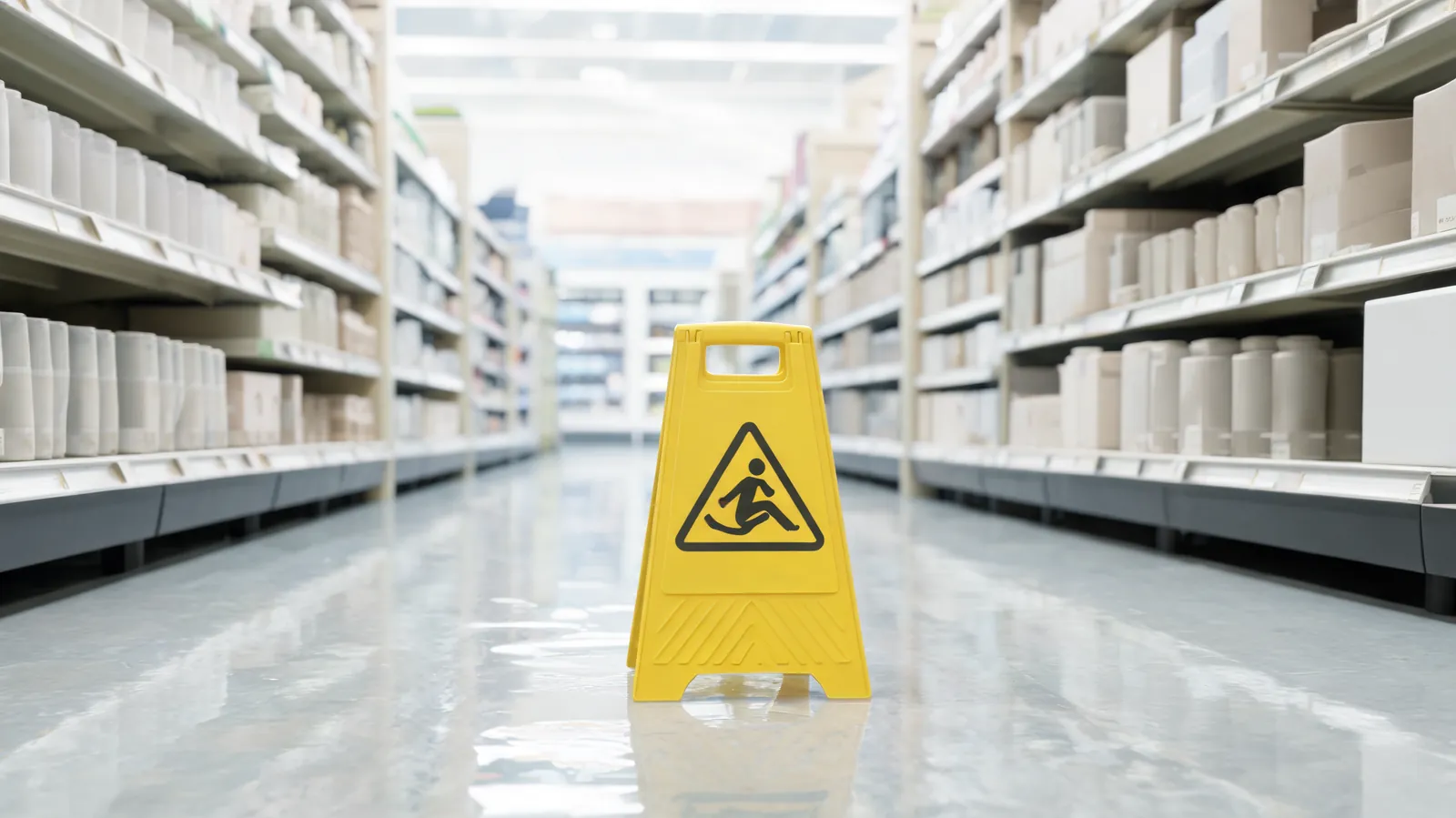
A fall can happen anywhere: a wet grocery store aisle, a broken step in an apartment building, a cracked sidewalk or a dark parking garage. Falls are also one of the most common ways people are seriously hurt, and the injuries are often worse than they look at first.
Not every fall is someone else's legal responsibility. California law looks at what the property owner knew, what they did about it and what the injured person did. Here is how it works. This is general information, not legal advice for your situation.
The basic rule: owners must use reasonable care
California law makes everyone responsible for injuries caused by their lack of ordinary care in managing their property (Civil Code section 1714). For property owners and the businesses that control a space, that means keeping it reasonably safe and fixing or warning about dangers they know about or should have found.
The standard is reasonable care, not perfection. A store does not have to inspect every square foot every minute, but it does have to inspect often enough, and respond quickly enough, that dangerous conditions do not sit around until someone gets hurt.
What an injured person has to show
The California civil jury instructions describe what a premises liability claim generally requires. In plain terms:
- A condition on the property created an unreasonable risk of harm, such as a spill, a loose handrail or a hidden hole
- The owner or occupier knew about it, or through reasonable care should have known about it
- They failed to repair it, protect against it or give an adequate warning
- That failure was a substantial factor in causing the injury
The "should have known" part is often the heart of the case. Under the jury instructions, if a condition existed long enough that a reasonable inspection would have found it, the owner can be treated as if it knew. Surveillance video, inspection logs and witness accounts of how long a spill was there can matter a great deal. The instructions are published by the Judicial Council of California.
Shared fault and obvious hazards
California uses comparative fault. If the injured person was also careless, for example looking at a phone or ignoring a clear warning sign, their recovery is reduced by their percentage of responsibility rather than eliminated.
If a danger is so obvious that anyone would reasonably notice it, the owner may not have to warn about it. But the owner still has to use reasonable care to protect against the risk when it is foreseeable that people will have to encounter it anyway, such as the only entrance to a building.

Falls on public property
Different rules apply when a city, county or other public agency owns the property. A public entity can be responsible for an injury caused by a dangerous condition of its property, but only if specific requirements in Government Code section 835 are met, including that the agency created the condition or had notice of it in time to fix it.
The deadline is also much shorter. A claim for personal injury usually must be presented to the agency within six months (Government Code section 911.2), before any lawsuit can be filed. If you fell on a public sidewalk, in a public building or on a city bus, do not wait.
Falls in a rental building
Tenants and their guests can be hurt by the same conditions that make a building unsafe to live in. California habitability law requires landlords to keep floors, stairways and railings in good repair (Civil Code section 1941.1). A broken stair or a loose railing that was reported and not fixed can matter both for an injury claim and for a habitability claim. Our page on uninhabitable living conditions covers the tenant side.

What to do after a fall
- Get medical care, and tell the provider exactly how you fell.
- Report the fall to a manager or the property owner, and ask for a copy of any incident report.
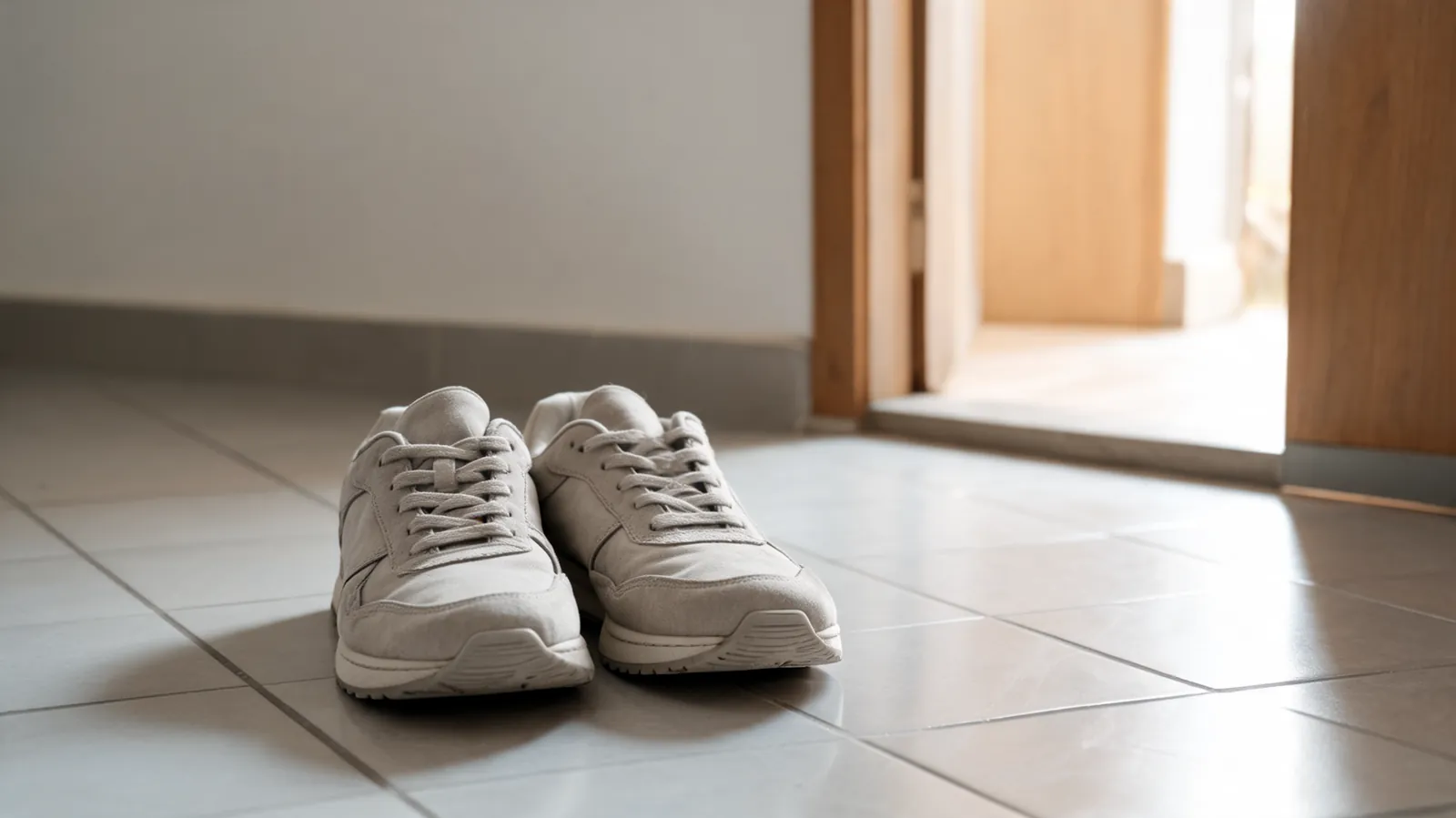
- Photograph the exact spot, the lighting, any warning signs or the lack of them, and your shoes.
- Get the names and numbers of witnesses.
- Keep the shoes and clothes you were wearing, unwashed and unrepaired.
- Write down what happened while it is fresh, including the time.
Be careful with what you say to the property owner's insurance company. Our guide to insurance adjusters explains why.
Evidence that disappears quickly
Slip and fall cases often turn on evidence that does not last long. A spill gets mopped up within minutes, a broken step gets repaired, and many businesses record over security video after a set number of days. If you can, ask in writing right away that the property owner preserve any video and incident records from the date and time of your fall.
Your own photos taken at the scene, your shoes and the names of people who saw the fall can fill in what the property owner's records leave out.
What a claim can cover
Every case is different, and no one can promise a result. In general, a premises liability claim in California can include medical bills and future treatment, lost income and compensation for pain and the effect the injury has on daily life. Keep every bill, receipt and record of missed work, and follow your doctor's treatment plan, because gaps in treatment are often used to argue that an injury was minor.
How long you have to act
Most slip and fall lawsuits in California must be filed within two years of the injury (Code of Civil Procedure section 335.1). Claims involving public property usually must be presented within six months. Evidence like video footage is often recorded over within days or weeks, so earlier is better.
Our slip and fall page explains how a free, confidential case review works.