- Get medical care and document the scene, your bike and your gear.
- Report injury crashes to police within 24 hours and file an SR 1 with the DMV within 10 days when required.
- Lane splitting is recognized under California law and does not by itself make a rider at fault.
- Most injury claims must be filed within two years, and public agency claims within six months.
Riders in Los Angeles share the road with heavy traffic, distracted drivers and drivers who simply do not see motorcycles. After a crash, riders also face a second problem: assumptions that the motorcyclist must have been at fault.
The steps you take in the first hours and days can protect both your health and your claim. Here is what to do, and what California law says. This is general information, not legal advice for your situation.
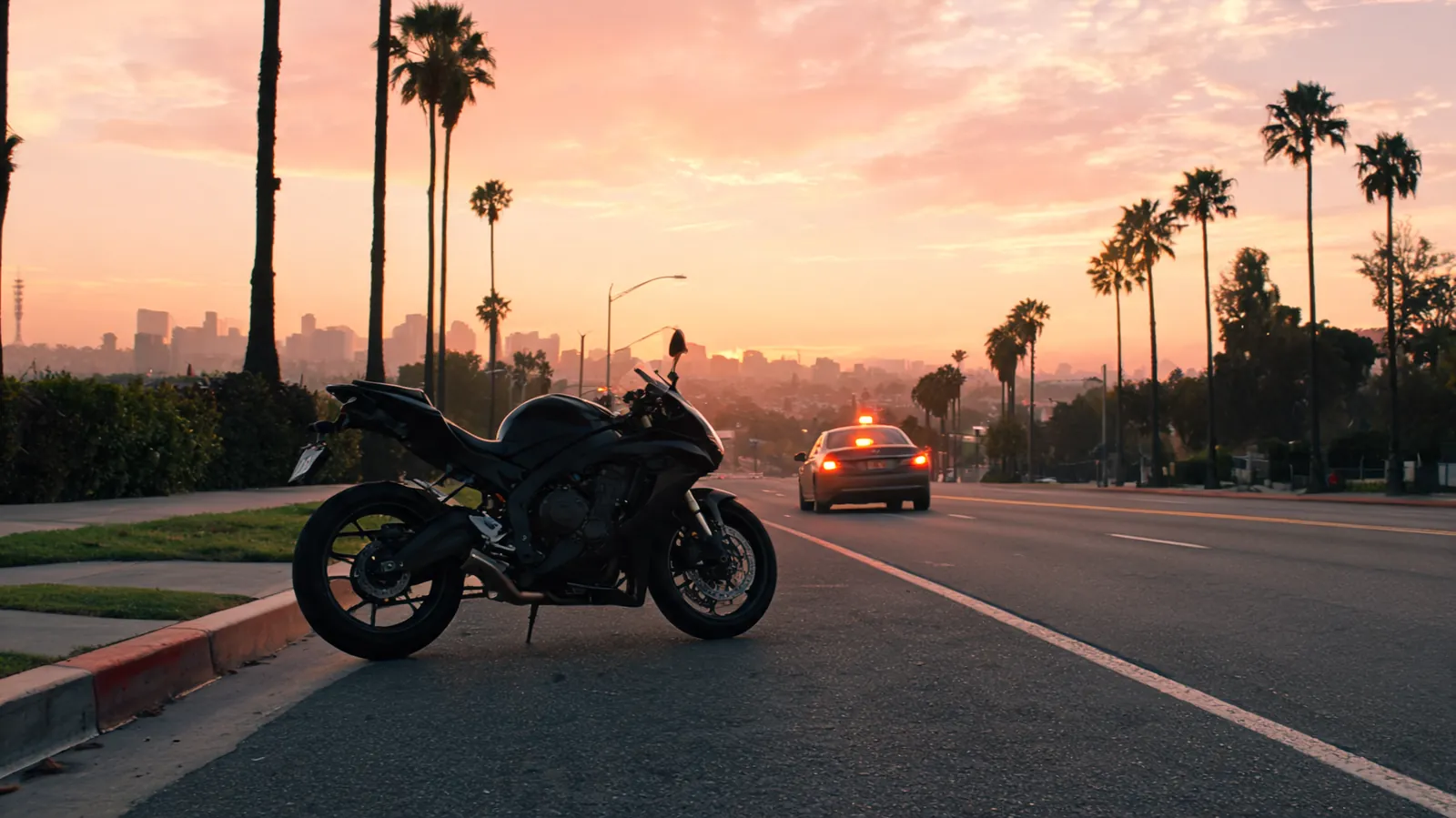
At the scene: safety first
- Call 911 if anyone is hurt. Let paramedics check you even if you feel fine, because adrenaline can hide injuries.
- If you can move safely, get yourself and your bike out of traffic.
- Exchange your driver's license, vehicle registration, insurance information and current address with the other driver.
- Do not argue about fault at the scene, and do not apologize. Simple courtesy is fine; admissions are not.
Every driver involved in a crash that injures someone must stop and stay at the scene to exchange information and help (Vehicle Code section 20001). If the other driver leaves, tell the police right away and write down anything you remember about the car.
Document everything
Evidence disappears fast. If you are able, or with help from someone at the scene:
- Photograph the vehicles, the road, skid marks, debris, traffic signals and the weather
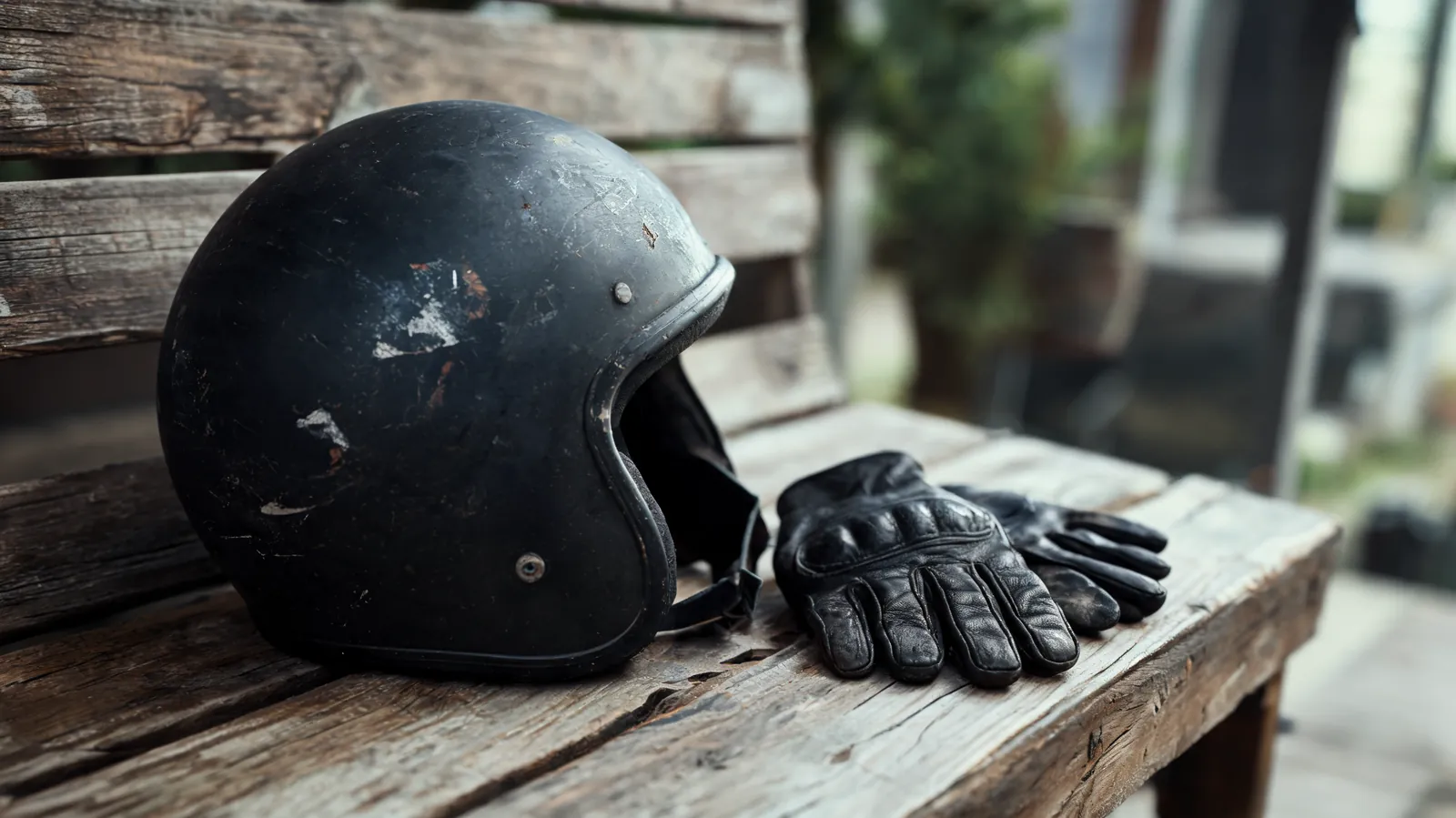
- Photograph your gear, including your helmet, jacket and gloves
- Get names and phone numbers of witnesses
- Note any cameras nearby, such as businesses or doorbells
Keep your damaged helmet and gear exactly as they are. Do not repair or throw them away. They can show how the crash happened and how hard the impact was.
Report the crash on time
California has two reporting rules that riders often miss:
- If anyone was injured or killed, a written report must be made to the police or the California Highway Patrol within 24 hours (Vehicle Code section 20008).
- You must file an SR 1 report with the DMV within 10 days if anyone was injured or killed, or if property damage was more than $1,000, no matter who caused the crash (Vehicle Code section 16000).
The DMV posts the SR 1 form with instructions for filing it.
Lane splitting is legal in California
California law expressly recognizes lane splitting, which it defines as riding a motorcycle between rows of stopped or moving vehicles in the same lane (Vehicle Code section 21658.1). The same law lets the California Highway Patrol develop safety guidelines for it.
Because lane splitting is legal, the fact that you were splitting lanes does not by itself make a crash your fault. What matters is how each person was driving, including speed, signals, mirrors and whether a driver changed lanes without looking.
Helmets and fault
California requires every motorcycle rider and passenger to wear a safety helmet that meets the required standard (Vehicle Code section 27803). Not wearing one is a violation, and an insurance company may argue it made an injury worse.
California uses comparative fault. If you were partly responsible, your recovery can be reduced by your share of the fault, but it is not automatically eliminated. That is one reason careful documentation matters so much.
Talking to insurance companies
Expect a call from the other driver's insurance company soon after the crash. You can take their name and claim number and call back later. Stick to the facts, do not guess and do not downplay an injury. It is wise to talk to a lawyer before you give a recorded statement or sign a release. Our guide on what an insurance adjuster does covers this in more detail.
Common causes of crashes involving riders
Many motorcycle crashes happen because a driver did not see the rider. Some of the patterns that come up again and again:
- A car turning left across the rider's path at an intersection
- A driver changing lanes without checking mirrors or blind spots
- A parked driver opening a door into traffic
- Following too closely in stop and go traffic
- Distracted driving, including phone use
Identifying which of these happened, with photos, witness accounts and video, is often what decides who was at fault.
Get medical care and follow through
Get checked the same day if you can, even if you feel fine. Head injuries, internal injuries and soft tissue damage often show symptoms hours or days later. Tell the provider you were in a motorcycle crash and describe every area that hurts. Then follow the treatment plan, keep your appointments and save every bill and record. Gaps in treatment are one of the most common arguments insurance companies use to say an injury was minor or unrelated to the crash.
What a claim can cover
Every case is different, and no one can promise a result. In general, an injury claim in California can include medical bills and future treatment, lost income, damage to the motorcycle and gear, and compensation for pain and the effect the injury has on daily life. Keep every bill, receipt and pay stub that shows missed work, and keep a short journal of how the injury affects you.
If the at fault driver has no insurance or too little, your own auto policy may include uninsured or underinsured motorist coverage. Check your policy, and tell your own insurer about the crash promptly.
Deadlines that apply to a claim
In California, most personal injury lawsuits must be filed within two years of the injury (Code of Civil Procedure section 335.1). If a public agency is involved, for example a city vehicle or a dangerous road condition, a claim usually must be presented to that agency within six months (Government Code section 911.2). There are exceptions in both directions, so it is wise to get advice early.
Our personal injury page explains how a free, confidential case review works.